Online Mental Health Support in Algeria: Privacy, Local Payment, and Practical Access
November 19, 2025|By Nafsia Clinic Team
Let’s be honest: deciding to talk to a professional is already hard enough. The last thing you need is the anxiety of sitting in a waiting room, wondering if a neighbor or colleague might walk in.
In Algeria, privacy isn't just a preference; it's a necessity. That is exactly why we built Nafsia Clinic. We wanted to create a more discreet path where you can look for support without feeling like the "eyes of the world" are watching you.
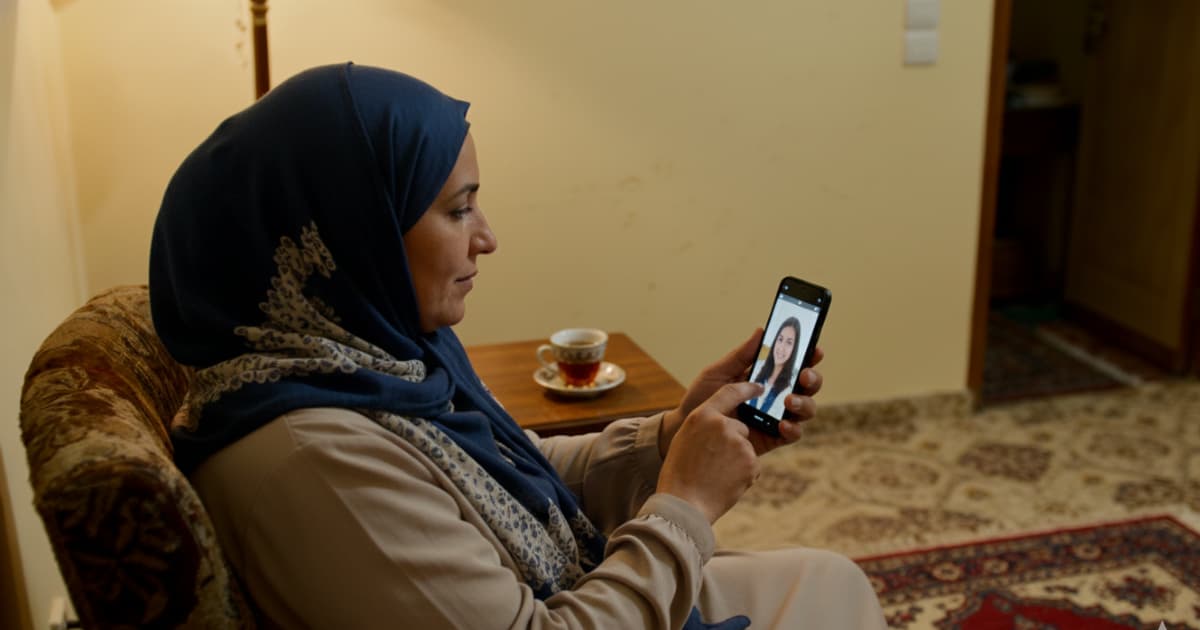
No Waiting Rooms, No Commute
Forget about the traffic jams in Algiers or the parking struggle in Oran. With us, your session takes place wherever you feel safe—your bedroom, your car, or even your office during a break. You log in, you express yourself freely, and then you carry on with your day. It’s that simple.
Accessing Care is Finally Easy
We know that for a long time, paying for online services in Algeria was a headache. We fixed that. You don't need a foreign bank account to get the guidance you need.
- Edahabia (BaridiMob)? Absolutely.
- CIB Card? Accepted.
- Bank Transfer? We accept that too.
Is Remote Support Really Effective?
Many people ask this legitimate question. Recent studies suggest that some forms of online therapy and remote support can be effective, especially when the case is suitable for remote care and the professional is qualified.
In fact, being in your own familiar environment can often make it easier to open up and be authentic during sessions.
Don't let fear of judgment stop you from exploring appropriate support. Your mental well-being deserves clear, respectful help.
Scientific References
Online support is backed by a growing evidence base. Here are major studies on remote and digital psychological care:
-
Batastini, A. B., et al. (2021). "Are videoconferenced mental and behavioral health services just as good as in-person? A meta-analysis of a fast-growing practice." – Clinical Psychology Review. This large-scale meta-analysis compared video-based and in-person services, with encouraging findings in specific clinical contexts. Read the study summary
-
Luo, C., et al. (2020). "A comparison of electronically-delivered and face to face cognitive behavioural therapies in depressive disorders: A systematic review and meta-analysis." – EClinicalMedicine (The Lancet). This study supports electronically delivered CBT as an effective option in specific depression-care contexts. Read the study summary
-
Andrews, G., et al. (2018). "Computer therapy for the anxiety and depression disorders is effective, acceptable and practical health care: An updated meta-analysis." – Journal of Anxiety Disorders. Demonstrates that computer-aided therapy is an "effective, acceptable and practical" alternative for anxiety and depressive disorders. Read the study summary